US Regulators Move to Fill Crypto Rules Gap After Senate Stall
State and federal regulators are stepping up efforts to establish crypto guidelines after the Clarity Act failed to advance in the Senate.
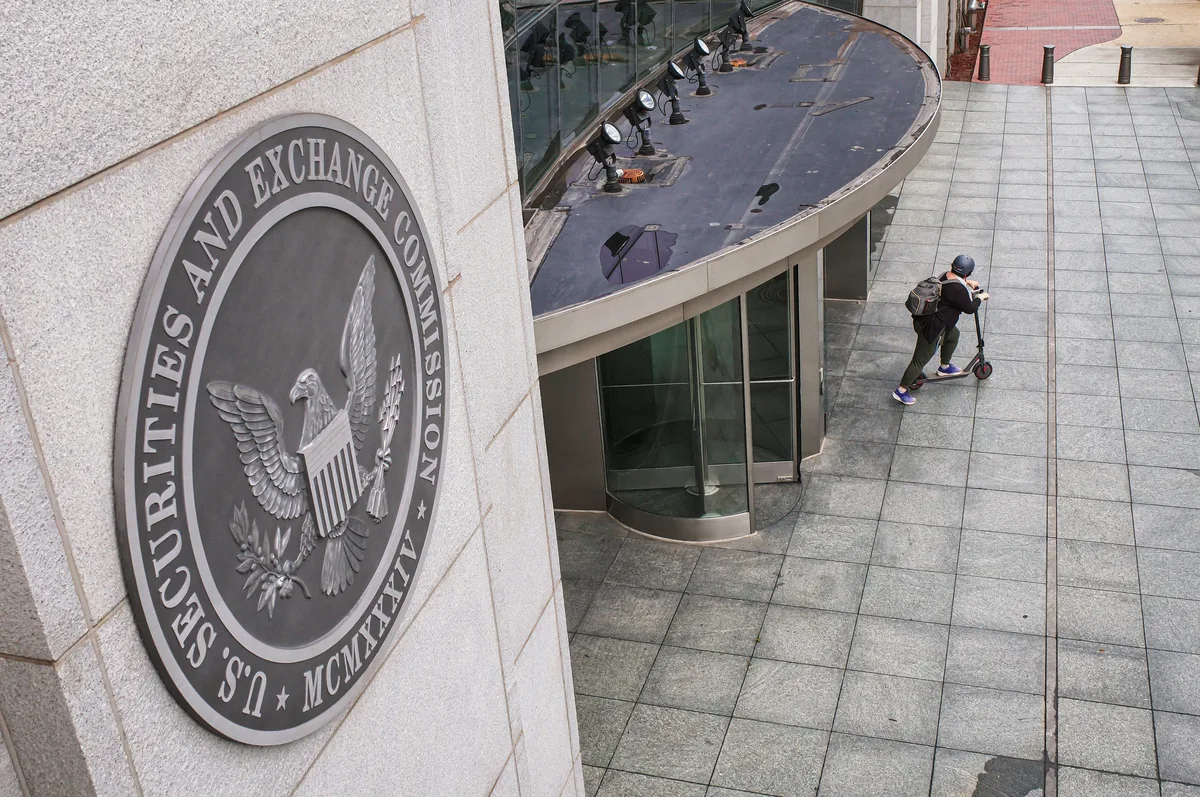
State and federal regulators are accelerating efforts to craft cryptocurrency rules following the collapse of a legislative push in the U.S. Senate, where the Clarity Act failed to advance, leaving a significant regulatory vacuum in one of the fastest-growing financial sectors.
With Congress unable to deliver a unified framework, regulatory agencies and state-level authorities are moving independently to establish guidelines governing digital assets. The parallel tracks raise the prospect of a fragmented oversight landscape, where crypto firms could face conflicting requirements depending on their jurisdiction.
Read more Trump-Xi Summit: Five Key Issues Shaping US-China Talks →
The Senate's inability to pass the Clarity Act underscores the persistent difficulty lawmakers have encountered in reaching bipartisan consensus on how to classify and oversee cryptocurrencies. Disagreements over which federal agency — the Securities and Exchange Commission or the Commodity Futures Trading Commission — should hold primary jurisdiction have long stalled legislative progress.
Industry observers warn that a patchwork of state and agency rules, crafted in the absence of congressional direction, may create compliance burdens for digital asset companies while offering consumers uneven protections across state lines. The situation mirrors earlier periods in financial regulation when federal inaction prompted a mosaic of state-level responses.
The push by regulators to fill the void reflects broader urgency around consumer protection and market integrity as crypto markets continue to attract retail and institutional participants. Continue reading at US Top News and Analysis.