How AI Is Reshaping Worker Pay, Autonomy, and HR Roles
Corporations are deploying AI across workplaces at scale, prompting debate over new governance roles to manage human-robot relations.
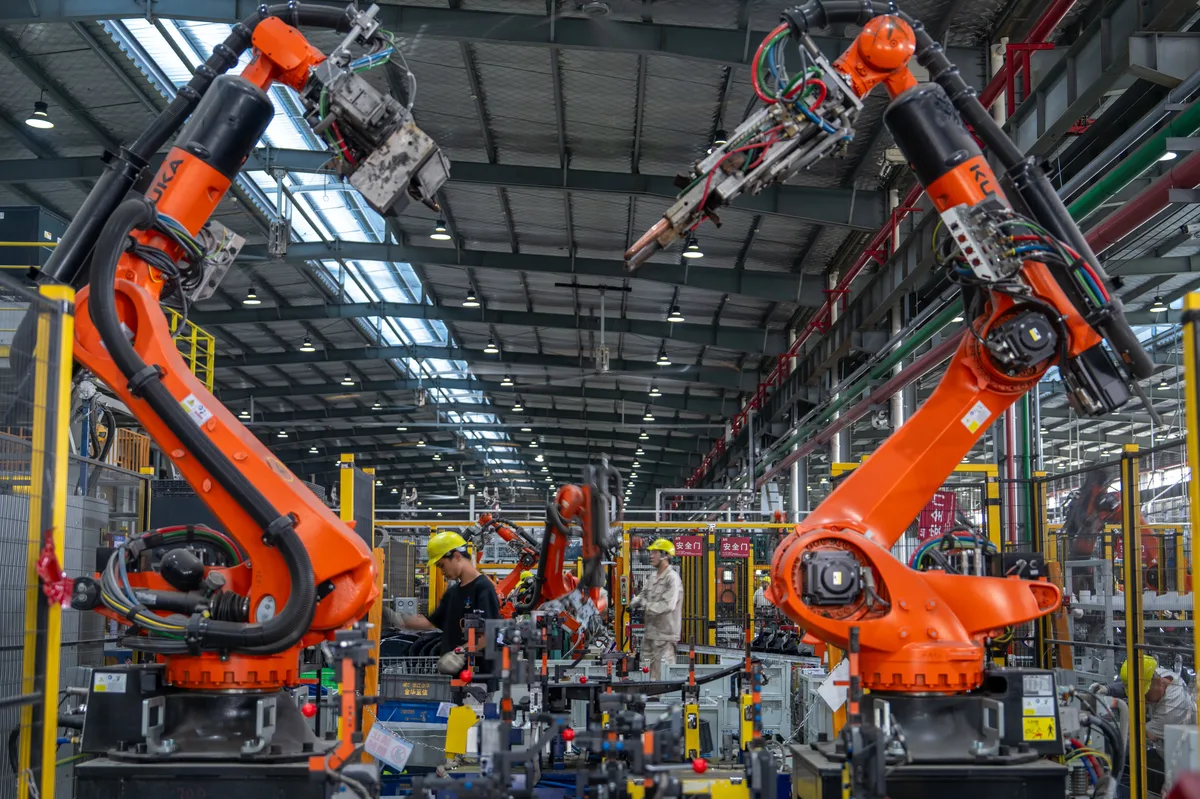
Artificial intelligence is moving rapidly from experimental tool to operational fixture inside major corporations, and the consequences for workers are proving far-reaching. From conversational chatbots handling customer service to humanoid robots performing physical tasks, the breadth of AI deployment is forcing companies to reckon with its effects on compensation, job scope, and day-to-day worker autonomy.
Automated management systems represent one of the more consequential shifts, with algorithms increasingly setting schedules, monitoring productivity, and in some cases influencing hiring and firing decisions. Labor experts and HR professionals warn that workers may find themselves accountable to digital supervisors whose decision-making logic is opaque, raising questions about fairness and recourse.
Read more Tariffs, Fuel Costs and Interest Rates Squeeze US Firms →
The scale of these changes has sparked early discussion about dedicated corporate roles — sometimes informally dubbed "robot relations" departments — designed to mediate between AI systems and the human employees affected by them. Such functions would sit at the intersection of human resources, legal compliance, and technology governance, a combination that does not yet exist as a standard corporate unit.
For workers, the stakes extend beyond job security. AI-driven systems can affect pay structures by optimizing labor costs algorithmically, potentially compressing wages even in roles that remain staffed by humans. Autonomy on the job — the ability to exercise judgment, set pace, or push back on assignments — may erode as algorithmic oversight tightens.
The debate reflects a broader tension in the modern economy between efficiency gains that AI promises employers and the working conditions that employees depend on. How corporations, regulators, and labor organizations respond in the near term is likely to shape workplace norms for years ahead. Continue reading at US Top News and Analysis.