Tariffs, Fuel Costs and Rates Squeeze US Businesses
American manufacturers, retailers and transport firms face a triple threat from tariffs, soaring fuel costs, and elevated interest rates.
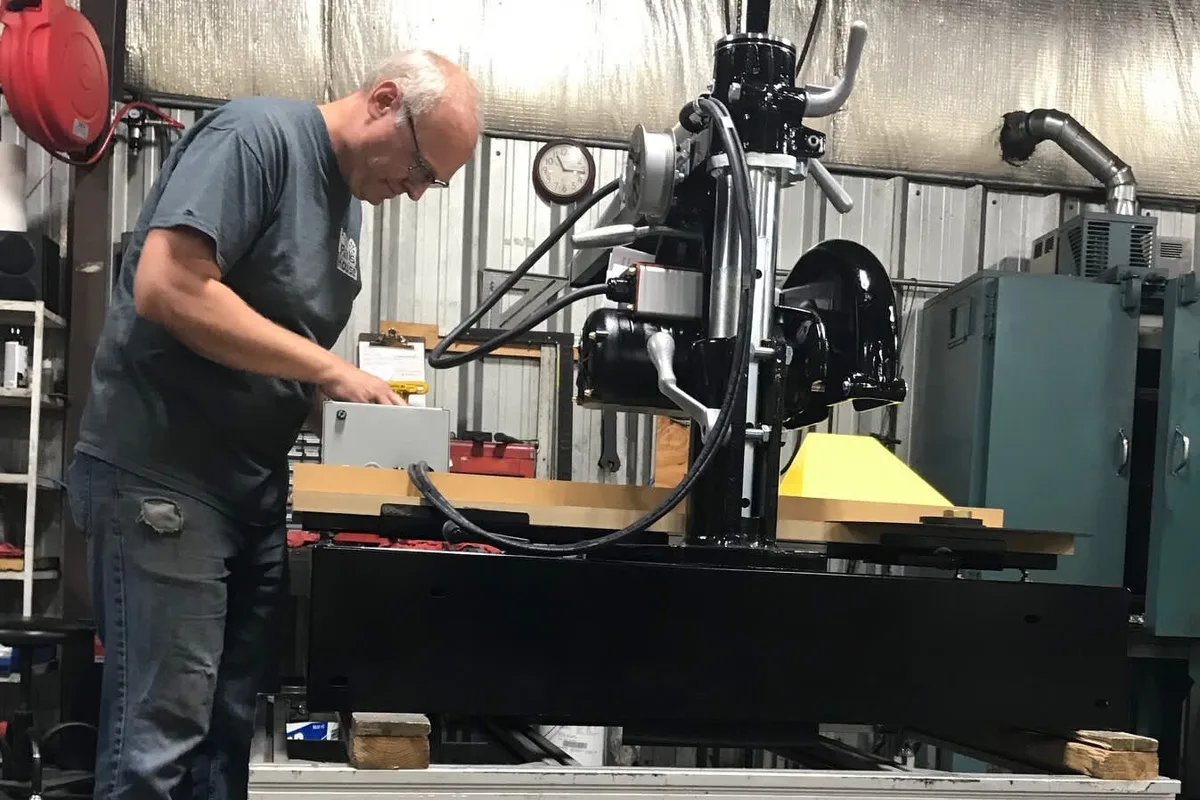
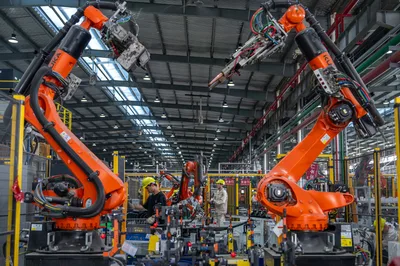
American companies across manufacturing, retail, auto supply and transportation sectors are grappling with a convergence of financial pressures that industry observers describe as unusually severe. Tariffs on imported goods, persistently high fuel prices and elevated borrowing costs are combining to erode margins at a time when many businesses have limited pricing power to pass costs on to consumers.
Manufacturers and auto suppliers are among the hardest hit, as tariff exposure on raw materials and components adds directly to production costs. For businesses that rely on tightly integrated global supply chains, the levies compound existing logistical challenges and force difficult decisions about sourcing, inventory and workforce planning.
Read more How AI Is Reshaping Worker Pay, Autonomy, and HR Roles →
Retailers and transportation companies face a parallel set of strains. Fuel remains a dominant operating expense for freight and logistics operators, and any sustained spike in energy prices ripples quickly through delivery costs and, ultimately, shelf prices. Retailers, meanwhile, must weigh how much of the tariff-driven cost increase can be absorbed before consumer demand softens.
High interest rates add a further layer of pressure, raising the cost of the short-term credit that many businesses rely on to manage inventory and bridge cash-flow gaps. For capital-intensive industries, debt-service obligations are growing even as revenue growth faces uncertainty, leaving less room for investment in equipment, expansion or hiring.
The overlapping nature of these pressures — trade policy, energy markets and monetary conditions — makes relief difficult to forecast, as each factor is driven by distinct and largely unpredictable forces. Continue reading at US Top News and Analysis.